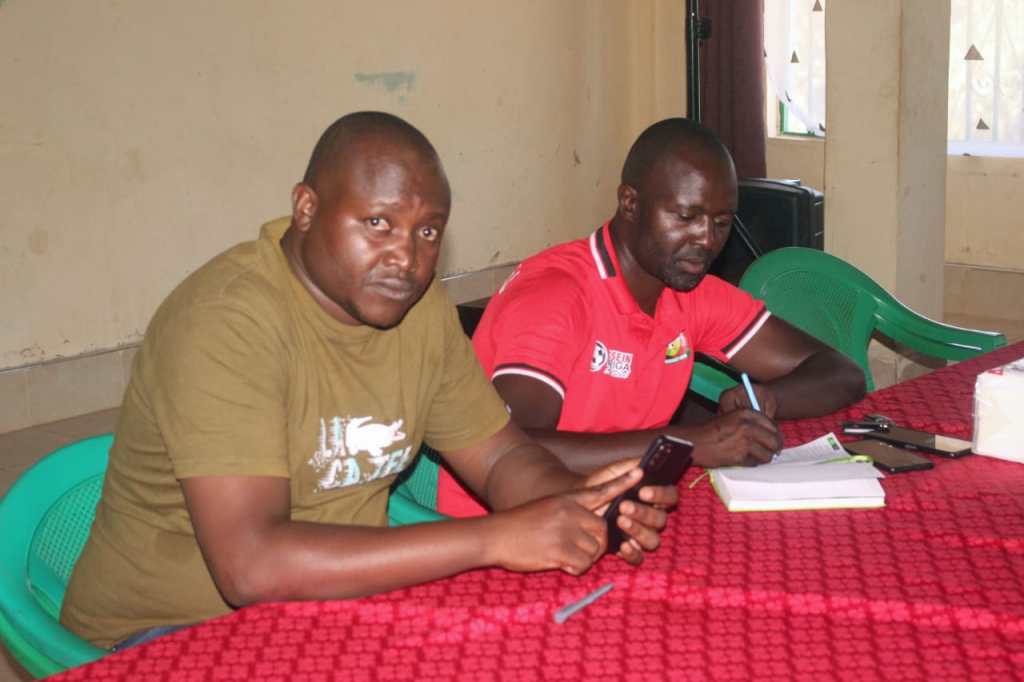
In the spirit of bringing change and upgrading soccer standards in Kakamega, the new FKF office, led by the Chairman Jeff Mudembei, embarked on a comprehensive pathfinding tour to engage with all football stakeholders, starting from Shinyalu. This initiative aims to foster better communication and collaboration among clubs, coaches, players, and local communities, ensuring that every voice is heard and every suggestion is considered. The tour is not just a formality; it is an essential step toward understanding the unique challenges faced by the grassroots level and formulating strategies that will uplift the game. By gathering insights directly from those at the heart of football in the region, the FKF office is committed to creating a more inclusive and vibrant soccer environment that paves the way for future success in Kakamega and beyond.


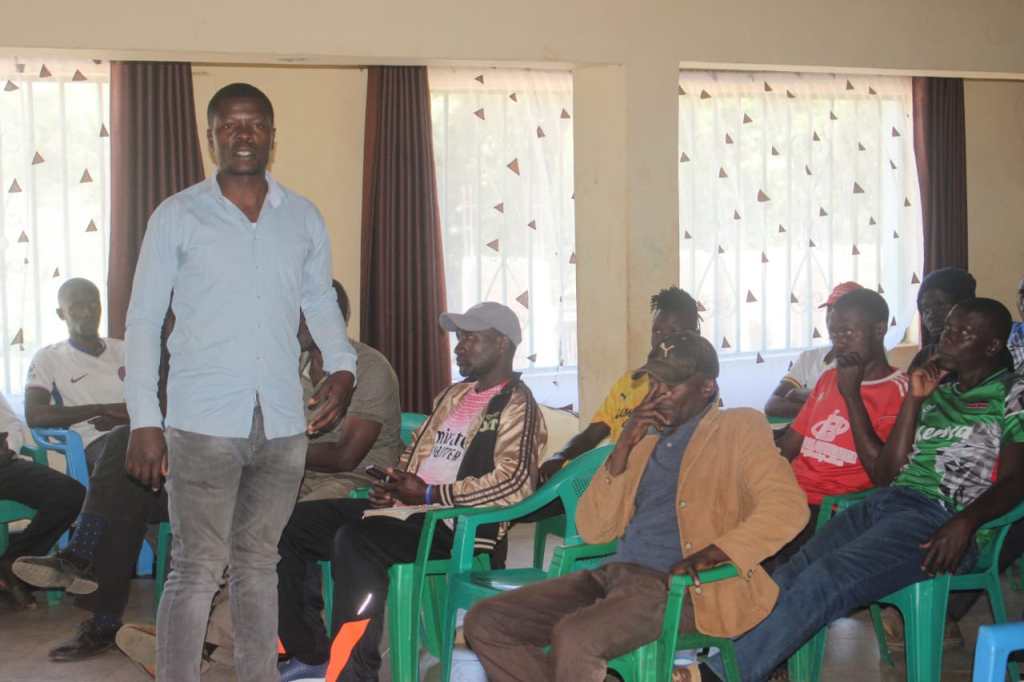


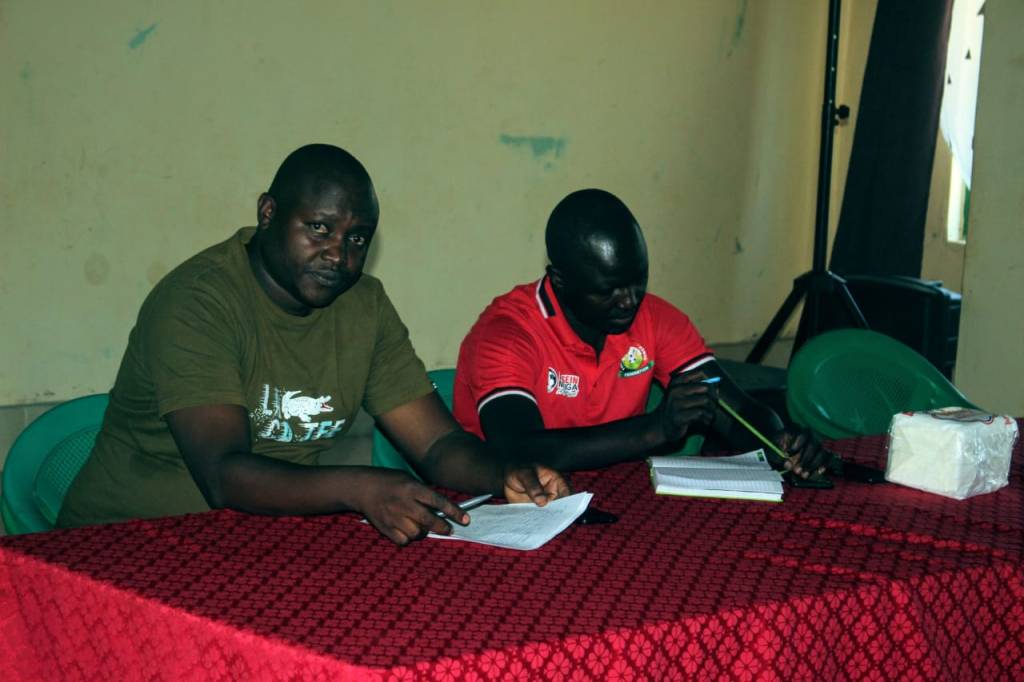
The meetings are aiming at mobilizing more soccer activities and bringing leagues awareness to the grassroots level, as more teams are encouraged to register for the leagues from grassroot level. This initiative seeks not only to increase participation in the sport but also to foster a deeper understanding of the league structures, competition, and the opportunities available for development and talent scouting. By engaging local communities and providing them with the necessary resources and information, we hope to create a robust network of players, coaches, and supporters who are passionate about soccer. Ultimately, enhancing grassroots involvement is vital for the future growth and sustainability of the sport in our region.
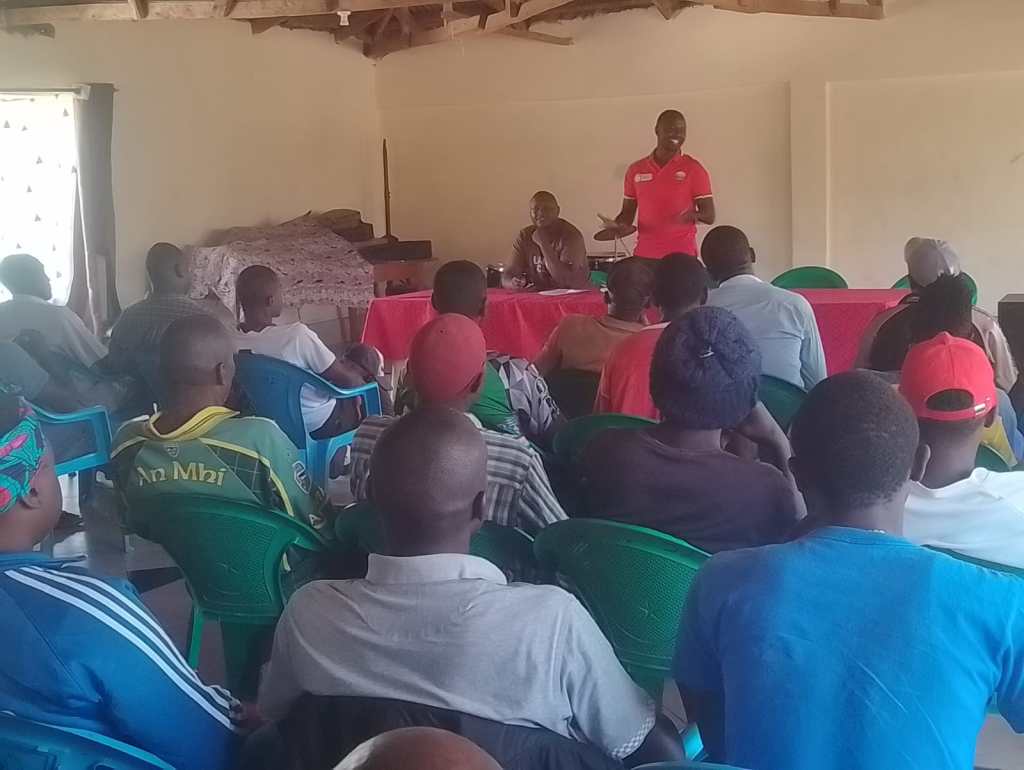
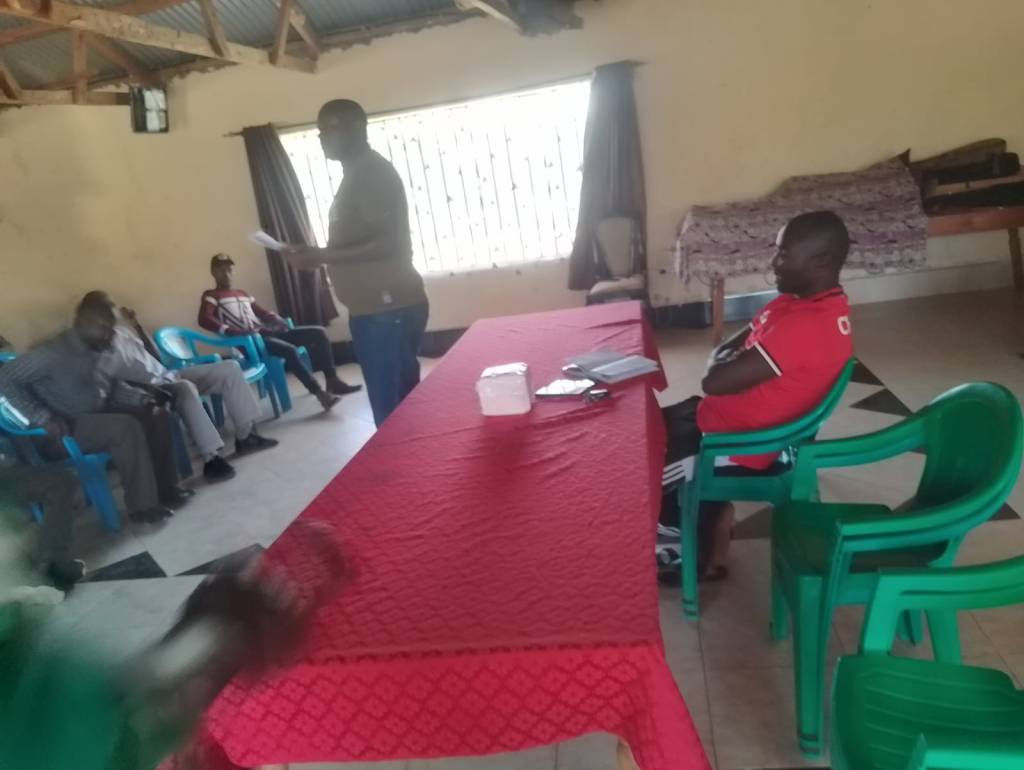
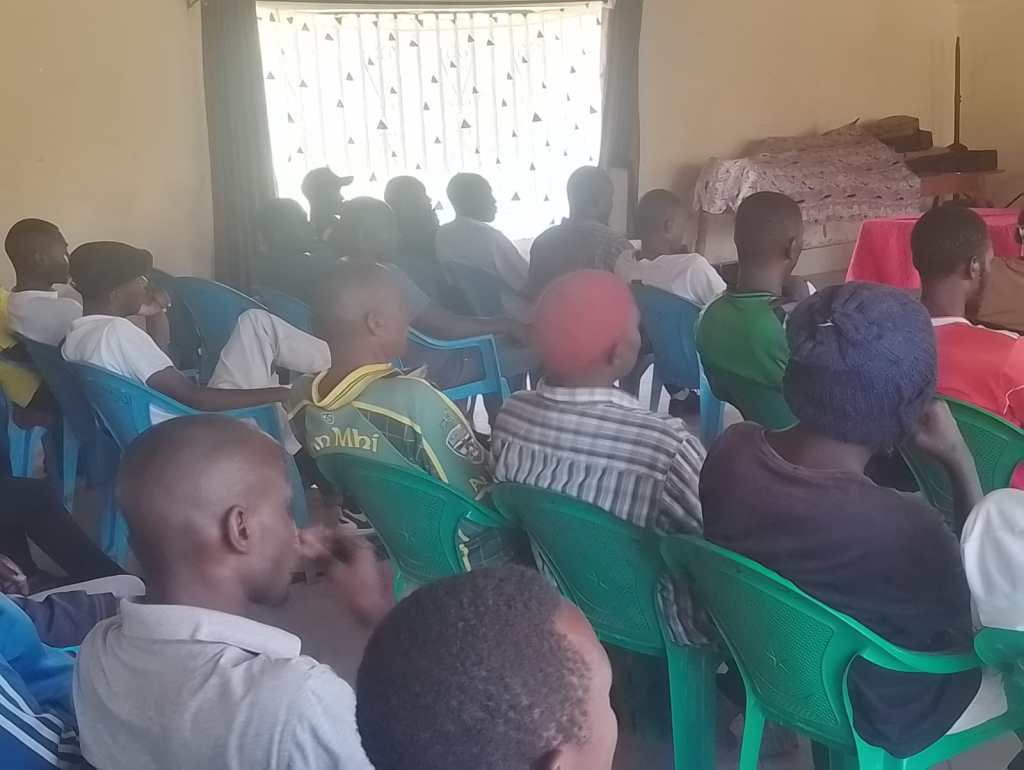
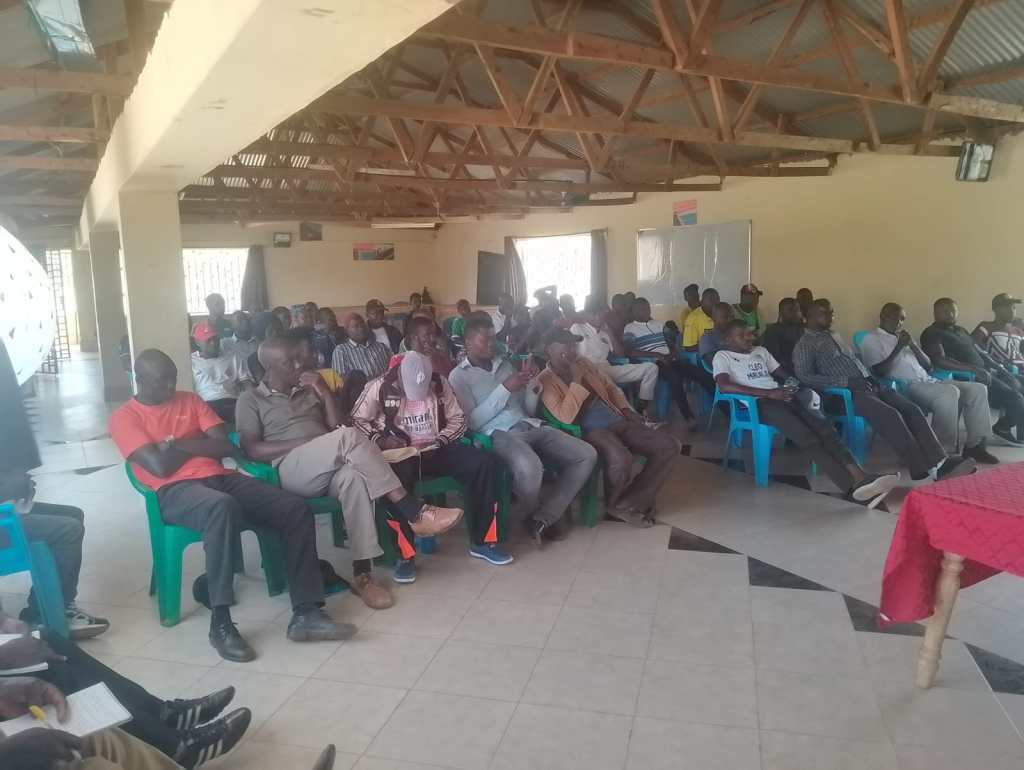
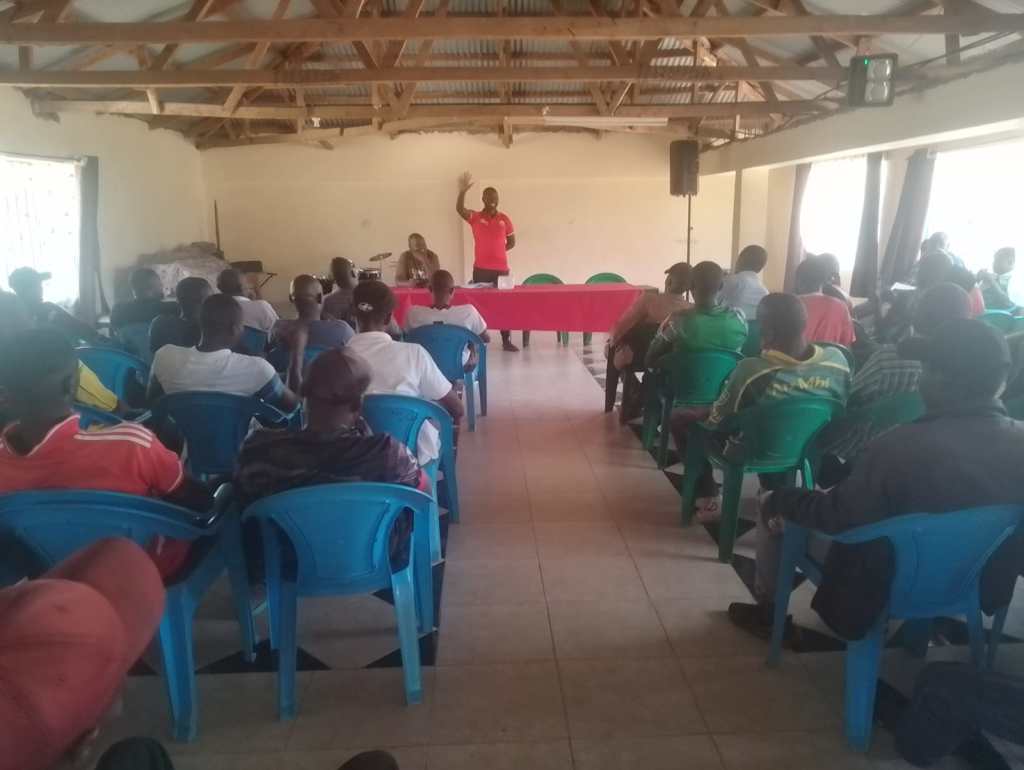
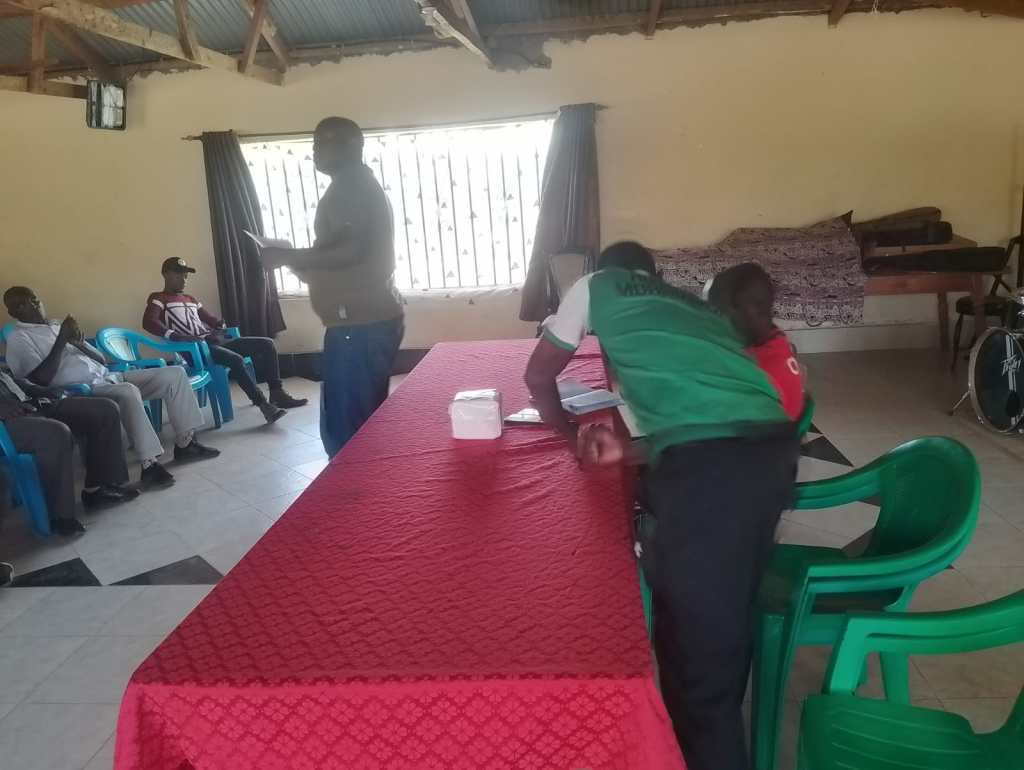
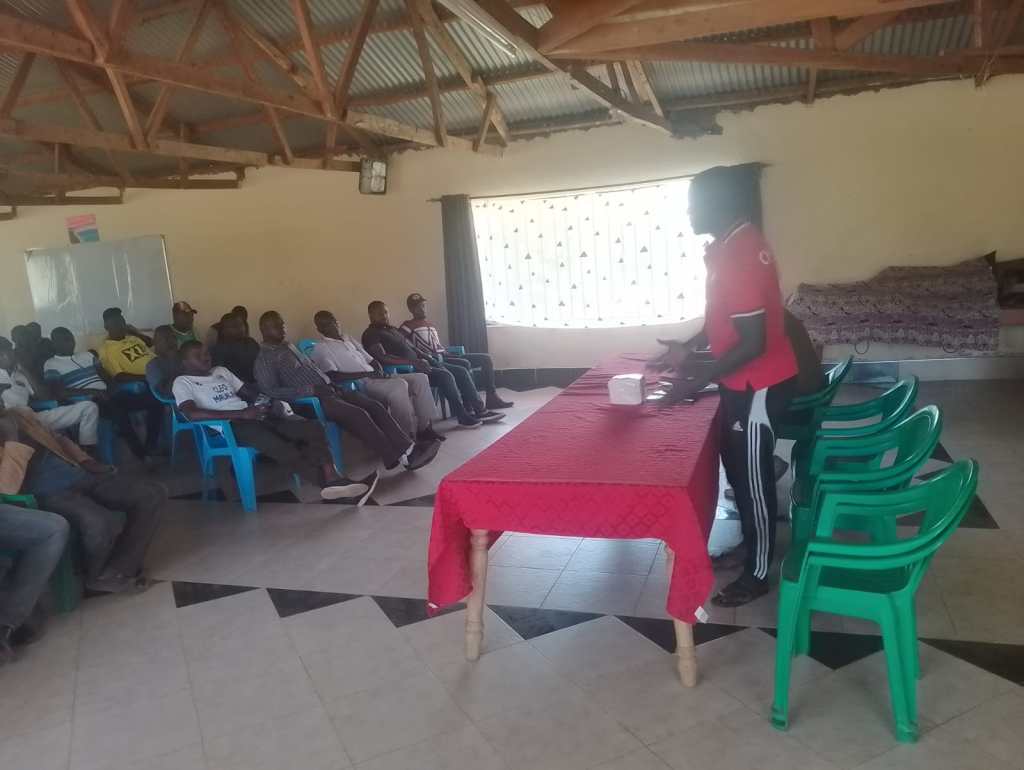
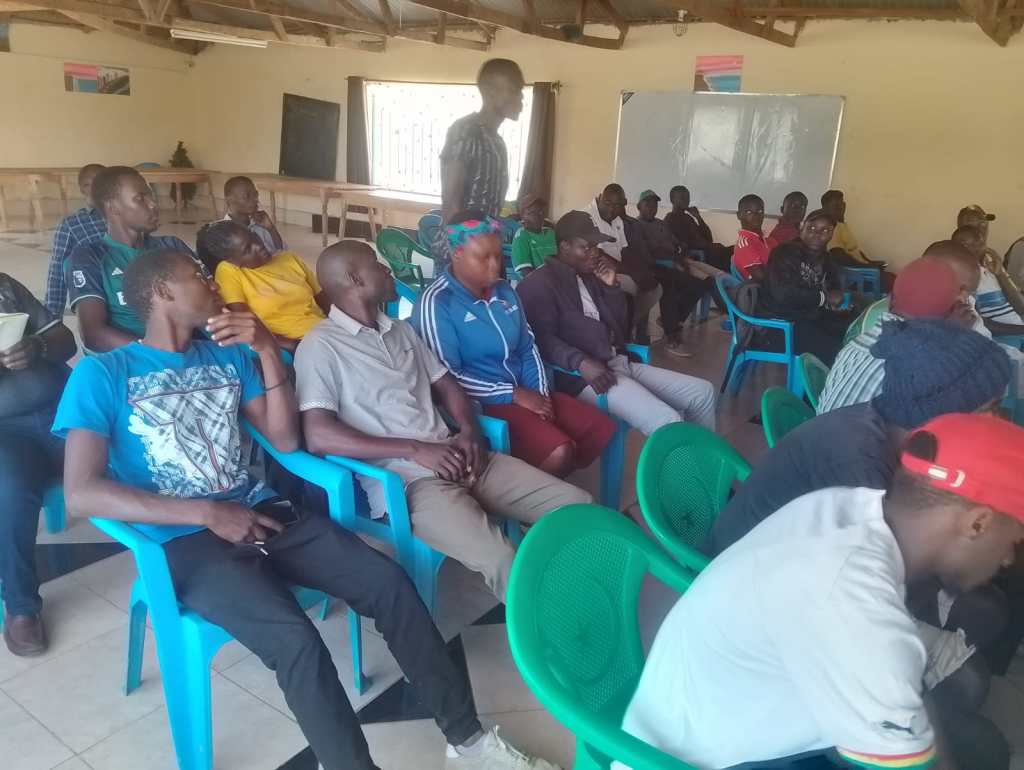
The Meeting was held at Upendo in Shinyalu with all stakeholders from Shinyalu led by the FKF Kakamega Chairman Jeff Mudembei. The stakeholders present agreed to participate in different tiers of leagues from henceforth, recognizing the importance of collaborative efforts in enhancing the local football scene. During the discussions, various topics were raised, including the need for improved training facilities, support for youth programs, and strategies to increase community engagement in football activities. It was emphasized that by working together more closely, they could foster a competitive environment that benefits players across all ages and skill levels. The atmosphere was one of optimism and determination, with everyone expressing their commitment to see tangible improvements in the regional leagues.





 FOOTBALL KENYA FEDERATION KAKAMEGA